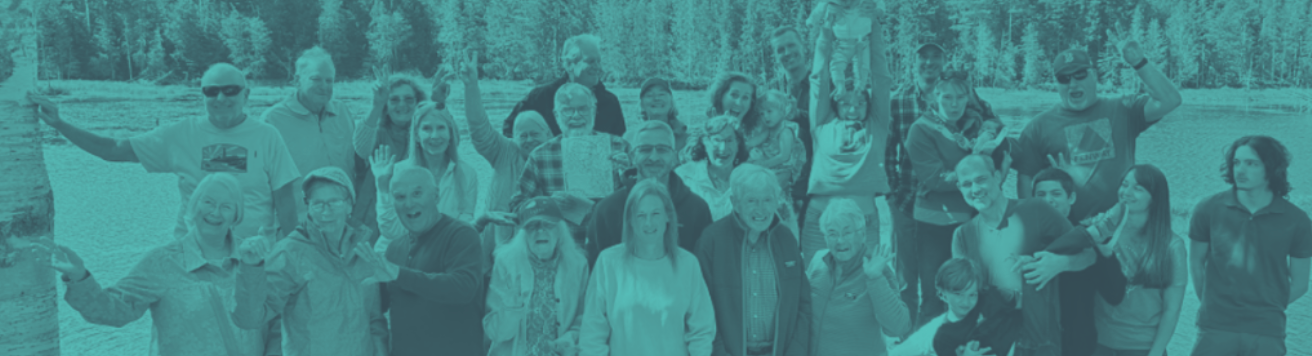






On the waters of Northwestern Pennsylvania , the steady rhythm of paddles cuts through the quiet—conversation drifting between kayaks, laughter echoing across the surface, and the beauty of creation all around. It doesn’t look like church. But it is. Here’s a quick look at what it is, how it works, and why it matters. What It Is Sacred Streams Kayaking is a Fresh Expression of church led by Jeff St. Clair, pastor of Saegertown United Methodist Church in Northwestern Pennsylvania. What began in Florida as a simple way to meet people on the water has continued in a new context—proving that a relational, outdoor expression of church can take root wherever people are. Today, it brings together church members and neighbors for kayaking, conversation, and simple spiritual practices. How It Works Participants gather for a kayaking trip, beginning with a brief time of prayer, scripture, and reflection before launching onto the water. As they paddle, conversations unfold naturally—creating space for relationships to deepen and faith to be explored in an unhurried, relational way. Open invitations are shared through social media and word of mouth, and partnerships with local outfitters help keep the experience accessible. Why It Matters Sacred Streams Kayaking reaches people who may never step inside a church building but are open to connection, community, and spiritual conversation. By meeting people in a place they already love—the water—it removes barriers and creates space for authentic relationships and encounters with God. It also offers a compelling reminder to other leaders: what starts as a small, context-specific idea can be reimagined and lived out in new places—wherever God leads. This snapshot was developed through thoughtful research using publicly available sources, including websites, news articles, community updates and a brief conversation with the pioneer.
If you’ve ever felt like your ministry is unseen, slow, or harder than you expected—you’re not alone. In this episode of the Rural Renewal Podcast, Sam Peters shares wisdom from The Heart of a Small Town Pastor , offering encouragement for leaders who are in it for the long haul. From building meaningful relationships to leading with patience and protecting your family, this conversation is a reminder that God is at work in the ordinary, everyday faithfulness of pastoral life. Sam Peters is a pastor, author, and church coach with over four decades of experience in small-town and rural ministry. After retiring from bi-vocational pastoral work in 2024, he now encourages and equips leaders through Small Church Coaching. His newest book, The Heart of a Small Town Pastor , is a work of fiction shaped by real ministry experience—offering wisdom on leadership, perseverance, and the quiet faithfulness of shepherding a local church. Sam also creates Worship Rising, a weekly resource to help believers prepare for Sunday worship. He lives in Kentucky with his wife, Joyce. Chris and Kathleen Blackey , are hosts of the Rural Renewal Podcast. Since 2010, together they have served as co-pastors at the First Baptist Church of South Londonderry, Vermont. The Blackeys live in South Londonderry, Vermont with their children – Sarah, Daniel, and Priscilla, as well as their cat, dog, and chickens. Related Resources: The Heart of a Small Town Pastor (Amazon) Join our Facebook group: Rural Renewal Podcast Community Email us: podcasts@freshexpressions.com Subscribe & Review Help us get the word out by subscribing and leaving a review for Rural Renewal Podcast on your favorite platform. Apple Podcasts Spotify Google Podcasts
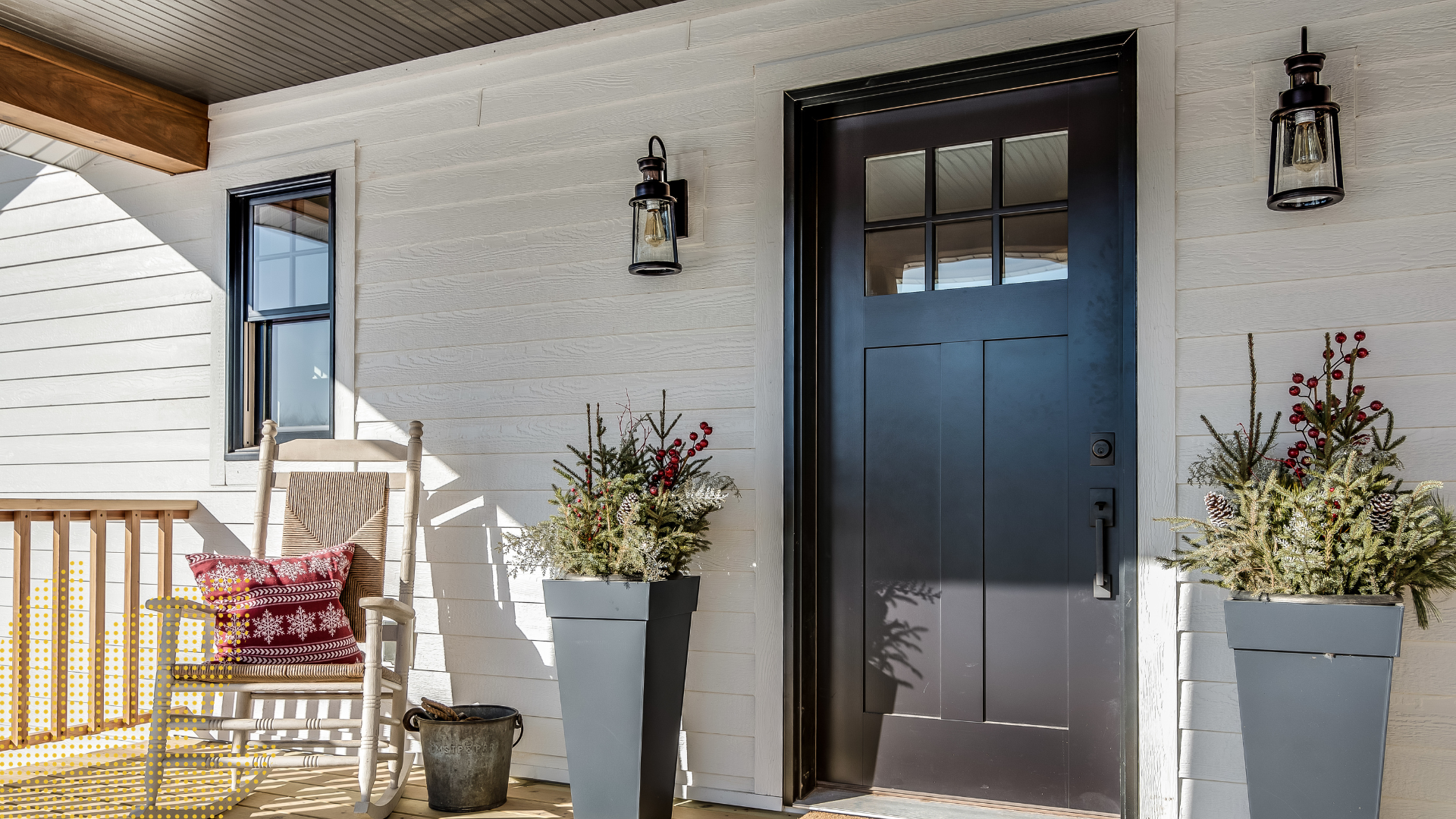
It started with a contradiction. My husband loves people. I… don't. At least not in the way that requires constant scheduling, cooking, hosting, and coordinating calendars weeks in advance. We were both tired. Tired of trying to find time for the people we actually wanted to see. Tired of the back-and-forth: "When are you free?” "What about next week?” "Let's try next month." Tired of cooking one more dinner or paying for another meal out that wasn't really designed to include kids. And underneath all of that was something deeper: Community had become… thin. We waved at neighbors in the summer. South Dakota winters kept everyone inside. Friends we loved were reduced to text messages. At the same time, we were aware of something bigger. In 2023, the U.S. Surgeon General named loneliness and isolation a public health crisis. We didn't need a report to tell us that, but it gave language to what we were already feeling. So instead of asking, “How do we schedule more time with people?” We started asking a different question: What if we stopped scheduling… and simply opened our door? The First Sunday We didn't overthink it. We subscribed to a simple online invitation service and sent one message: First Sunday of the month. Come as you are. Bring a chair, something to share, and your whole self. No RSVP pressure. No expectations. No religious programming. Just… come. The first time we did it, about 80 people showed up. Neighbors. Friends. Colleagues. People from completely different parts of our lives. I remember one moment so clearly: A colleague walked in and locked eyes with one of our friends. They paused, trying to place each other. And then it clicked. Their faces lit up with this contagious, almost childlike joy. That's when I realized: This wasn't just about us hosting people. It was about people discovering each other. And here's the part that surprised me most: I left that night… full. As someone who doesn't naturally "like people," I expected to feel drained. Instead, I felt refreshed. Joyful. Grounded in a way I hadn't expected. And that has been true almost every single time since. What a First Sunday Actually Looks Like It's simpler than you're probably imagining. There is no program. There is no agenda. Instead, there is a rhythm. The kids start decorating sometime during the day. I plan a dish earlier in the week—always something vegetarian and kid-friendly. Around 4:00 PM, we set out chairs, drinks, and paper goods. At 4:30, we put up a simple sign: "Come in." From 5:00–8:00 PM, the front door is open. That's it. People come and go. They bring food. Or don't. They sit. Talk. Laugh. Sometimes debate real-life things. Yes, sometimes those conversations get a little uncomfortable. Someone has a strong opinion. Someone else is quieter. But here's what we've noticed: It has never stopped people from coming back. By 8:00 PM, we take the sign down. By 9:00 PM, everything is cleaned up. And my role? Not a host. Not a manager. Steward of the space. I don't micromanage. I couldn't. If this required more structure, we wouldn't still be doing it. The Unexpected Guests One of the most striking things has been who shows up. Yes, there are church-going people. But there are also: People who grew up in church and left People who were hurt by the church People who have no connection to church at all Street ministers Curious neighbors And here's what's surprising: You can't tell the difference. There is no visible line between "church people" and "non-church people." In fact, the people who are disconnected from church often show up with the most curiosity. They ask questions about life, about faith, about meaning, but in a way that feels relaxed, not pressured. When we ask people why they come, the answers are simple: "My kids and I feel welcome here." "It's joyful." "I leave feeling refreshed." "I feel connected again." There is one neighbor who refuses to give us their phone number. They're cautious, perhaps even a little suspicious. And yet, they never miss a chance to ask: "What's the theme for next month?" The Children Changed Everything If I'm honest, the children have become the heart of this. After the first few gatherings, they took over. One Sunday, I was away preaching when my husband called: "The kids are moving furniture and redecorating the house." My response? "Don’t be a church basement lady. Let them." And they did. They created themes. Decorations. Activities. They even started their own fundraiser—completely on their own. They've raised money for: The rainforest A street ministry The Humane Society They made art. Organized raffles. Hosted an art show. What I've learned from them is this: Everyone has gifts waiting to be released. Sometimes all they need is space. Where the Gospel Shows Up (Without Announcing It) We don't label this as church. There's no sermon. No liturgy. But if you look closely, the shape might feel familiar. People gather. Food is shared. Strangers become neighbors. Stories are exchanged. People leave changed, even if just a little. Jesus did a lot of his work like this. At tables. At weddings. On hillsides with thousands of people sharing food. There was a rhythm to it. A pattern. A kind of open-door invitation: "You want to come? Come." That's what this feels like. "Come as you are" isn't a slogan here. It means: Come tired Come joyful Come skeptical Come curious Come exactly as you ask Sometimes that means someone just walks across the street because they're too depleted to do anything more. And that is enough. What Has Changed Something has shifted. In our family We share a sense of excitement around something we do together. It's not a chore, it’s something we look forward to. In our neighborhood We are known, not for a title or a role, but as the people who open their home. In my own faith I find myself asking new questions: What is Christian community, really? How does it grow organically? What does it need to thrive? What might need to shift in the church to make space for this? We are also aware of what's still missing. Our neighborhood is largely white. We want to see more cultural diversity. We're working on it, but it's a reminder that intentionality still matters. What Has Been Hard This isn't perfect. Winter attendance drops Sometimes people think, "I'll go next month." Our pets get anxious (they're kenneled during gatherings) We've had to set boundaries, especially around private spaces At one point, kids ignored our daughter's request to stay out of her room. Things were broken. That meant we had to be clear: You are welcome here—when you respect each other. And then there's the quiet temptation we all know: Measuring success by numbers. But connection doesn't work that way. It happens when two or three people are gathered. It happens in small moments, not just big turnouts. Why This Works (And Stays Sustainable) It works because it's simple. It happens once a month, not every week It costs almost nothing People bring what they can There is no pressure to perform People don't come to your house. People come for people. And if no one comes? The kids already solved that. They walk around the neighborhood and ring doorbells: "Hey, want to come over?" Three Things We've Learned Exhaustion can be transformative. Keep it simple. Don't overthink it. What Might Be Possible for You? We're still asking questions. Maybe that's the point. What if the future of community isn't something we design perfectly? But something we grow, imperfectly, together? What if it starts smaller than we think? What is something you already love to do? Who lives near you that you barely know? What would it look like to simply say: "Hey… want to come over?" You don't need 80 people. You could start with 4-5 neighbors. Maybe just 10 contacts on your phone. Throw open your door to food, laughter, and conversation as a first step. Because sometimes the most meaningful expressions of community don’t begin with a one year plan. They begin with a question and a door left open.